A Scholar’s Guide to Organic Mattresses: Materials, Durability, and Sleep Quality
In the quiet margins of our bedrooms, where the night’s silence settles like chalk on a slate, a mattress is more than a surface; it is a proposition. What we choose to lay our bodies upon, as we drift from wakefulness to the soft, uncertain geography of sleep, speaks to values—health, stewardship, and a certain daily ritual of care. This guide for TheGoodNightMattress.com seeks to illuminate the world of organic mattresses with a scholar’s eye: materials that whisper of sustainability, durability that promises generation-spanning trust, and the subtle, everyday effects on the quality of sleep.
The topic sits at the intersection of science, craft, and consumer culture. Organic materials—cotton, wool, latex—are not merely marketing terms but signals of a different relationship with the bed we inhabit. To understand durability is to read the life cycle of a product as a reflection of our own patience and daily care. And sleep quality, while physiologically measurable, remains also a subjective art—how the surface feels at 2 a.m., whether the temperature stays even through the night, whether movement is absorbed with grace.
In the spirit of a long-form inquiry, this piece travels through the environment of sleep, the science of materials, and the historical habits that have shaped our modern sleep surfaces. We will also introduce a handful of notable figures from different eras who, though far apart in time, share a reverent curiosity about how we rest, and why the world of mattresses might be closer to philosophy than we imagine.
Why Organic Matters in Sleep Surfaces
The organic promise on a mattress begins with a question: what are we willing to live with while we sleep? The organic standard, in its most widely recognized forms (certifications like GOTS for textiles, GOLS for latex, GOTS for cotton and wool fabrics), aspires to reduce synthetic inputs, limit chemical exposure, and encourage renewable production. For sleepers, this translates into fewer irritants and potentially lower allergen loads, a factor that can influence nocturnal comfort and, in turn, the perceived quality of sleep.
Materials such as organic cotton, natural latex (Dunlop or Talalay processes), and natural wool carry distinct properties that affect the experience of rest. Organic cotton yields a breathable, soft cover that serves as a friendly interface with the skin. Natural latex, praised for its resilience and contouring, can offer durable, adaptive support. Wool, renowned for temperature regulation and moisture management, tends to keep sleepers dry and comfortable across seasons. The combination of these elements yields a mattress that is not simply a surface but a system—one that interacts with body heat, humidity, and movement while remaining faithful to its organic promises.
The goal is not to sanctify one material over another, but to understand how each contributes to a sleep environment that respects the body and the planet. Durability emerges as a measurable trait—loft retention, shape stability, and resistance to sagging—yet it is inseparable from usage patterns, care routines, and the bed’s overall design.
Materials in Focus: Organic Cotton, Natural Latex, and Wool
Organic cotton provides a gentle, breathable skin interface. Its fine fibers, cultivated without synthetic pesticides or genetically modified seeds, are designed to reduce chemical exposure. In mattress construction, organic cotton is often used in the outer cover and in some quilting layers, offering a clean, cool-to-the-touch feel. Its durability is seasoned not just by fiber strength but by how the fabric is woven and finished.
Natural latex—whether Dunlop or Talalay processed—delivers a different kind of support. Dunlop latex, typically denser and more straightforward, provides a firmer, more foundational support, while Talalay latex tends to be lighter, with more consistent cell structure that yields a buoyant, responsive feel. In organic form, latex is often formed from rubber harvested with responsible practices and cured using non-toxic methods. The result is a surface that can adapt to weight distribution, reduce motion transfer, and hold shape over a long horizon.
Wool, especially in its organic form, offers temperature regulation and moisture management. Its natural moisture-wicking properties help keep the sleeper dry, while wool’s resilience supports a comfortable, slightly springy surface. Wool’s natural flame-retardant qualities also reduce the need for additional chemical treatments. All of this makes wool a valuable layering component—whether as a pad, a fleece-like top layer, or in quilted covers.
Durability: How Longevity Becomes Sleep Quality
Durability in a mattress is a narrative about time. It is the measure of how the surface maintains its intended feel, how it resists sagging beneath heavier sleepers, and how it recovers after nightly cycles of movement. Certifying bodies scrutinize layers, resilience, and the adhesives used in assembly. But durability also rests in the hands of the owner—the care routines that protect fabric, keep fillings evenly distributed, and prevent moisture build-up. A well-made organic mattress can last longer with proper rotation, a breathable foundation, and climate-appropriate room conditions.
In practice, durability indicators include the following: the density and resilience of latex layers; the quality and endurance of wool fillings; the stability of cotton covers under repeated laundering or spot-cleaning; and the robustness of edge supports that prevent premature deformation. While no mattress lasts forever, a thoughtfully constructed organic model offers a durable foundation for healthier sleep and lower environmental impact over time.
Three Time-Pressed Perspectives: A Scholar’s Cast of Three Figures
Across epochs, certain intellectuals and observers have treated sleep not as a private comfort but as a public conversation about bodies, environments, and ethics. Here are three figures from different time periods whose ideas gently illuminate our modern engagement with organic mattresses and sleep wellness.
Hippocrates (c. 460 – c. 370 BCE)
Ancient physician and the father of Western medicine
In the humoral tradition, sleep was understood as a daily reboot, harmonized by a quiet environment and regular routines. While not about modern organic textiles, Hippocrates’ insistence on moderation, balance, and a clean, orderly body laid groundwork for thinking about how our surroundings shape rest. The bed’s location, the temperature of the room, and a simple, breathable sleeping surface were implicitly tied to a healthy life. A mattress as an object of care, then, follows this ancient instinct: to support the body without dissonance or distraction.
Charles Darwin (1809 – 1882)
Naturalist who studied sleep in the wild and in the lab
Darwin’s meticulous habit of observation invites us to consider the sleep environment as part of the animal’s adaptation. If a mattress can be tuned to cradle the body with temperature-regulating materials, it is a small, domestic analog to the evolutionary impulse toward rest and restoration. Organic materials—cotton, wool, latex—mirror a preference for natural, responsive resources that align with the body’s cycles, much as Darwin’s subjects adapted to climate and habitat.
Virginia Woolf (1882 – 1941)
Writer and modernist observer of interior life
Woolf’s attentiveness to the interior—how rooms, light, and quiet spaces shape consciousness—offers a literary reminder that sleep is as much about the felt atmosphere as the physical surface. In contemplating organic mattresses, we attend to room temperature, air quality, and texture together with the choices of fill and fabric. Her prose nudges us to imagine the bed not merely as a place to rest but as a theater for the night’s intangible dramas.
A Practical Guide: Assessing Organic Options Without Pressure to Buy
If the aim is to understand rather than to persuade, a thoughtful evaluation becomes the most humane consumer act. Start by clarifying what you want from an organic mattress: comfort level, firmness, breathability, and a lifecycle aligned with environmental values. Then, examine certifications, materials lists, and warranty terms. Here are practical steps to help navigate options with clarity:
Check for credible certifications: GOTS for textiles, GOLS for latex, and other recognized eco-labels. These marks are not perfect guarantees but provide indicative signals about processing standards and material origins.
Differentiate latex types: Dunlop tends to be firmer and denser; Talalay tends to be more buoyant and uniform. Your weight, sleep position, and personal preference will steer your choice.
Evaluate the cover and quilting: organic cotton covers with breathable weaves tend to sleep cooler and foster a clean interface with your skin. Consider wool-containing quilts or layers for temperature moderation.
Inspect edge support and overall structure: durable edge reinforcement prolongs bed usability and supports varied sleeping positions through the night.
Think about maintenance: removable covers, ease of cleaning, and resistance to moisture are practical considerations that influence long-term sleep quality.
The scholar’s gaze encourages us to weigh intangible factors as well: how a mattress makes you feel in the body across a typical night, whether the surface remains comfortable as seasons change, and how your sleep environment—lights, air quality, and room temperature—interacts with the chosen materials.
Product Spotlight: A Concrete Example
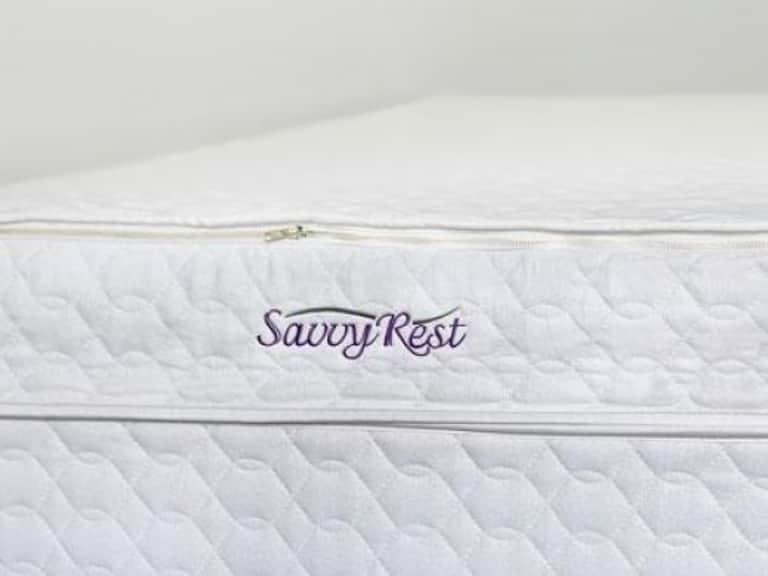
Among organic options, the Savvy Rest Tranquility Latex Mattress stands out as a concrete example of materials-first design. While marketed for a family-friendly balance of support and customization, its core features align with the organic mattress philosophy:
Construction that uses two layers of natural latex, offering a customizable feel that can respond to different sleepers’ needs over time.
A cover made from organic cotton, with wool as part of the flame barrier, aligning with organic standards and a thoughtful approach to fire safety without resorting to synthetic chemical treatments.
Durability built into a layered latex composition that holds its shape and breathes well, aiding temperature regulation and comfort through a long lifespan.
The Tranquility mattress becomes a practical touchstone for discussions about organic materials: it demonstrates how natural components can be assembled to create a product that respects the sleeper’s health while honoring the planet. For readers of TheGoodNightMattress.com, such a case study offers a way to translate abstract certifications into concrete, day-to-day experience.
Savvy Rest Tranquility Latex Mattress
7-inch latex, organic wool and cotton, customizable layers. Made in America. Aimed at smaller sleepers or those seeking a firmer base with natural materials.
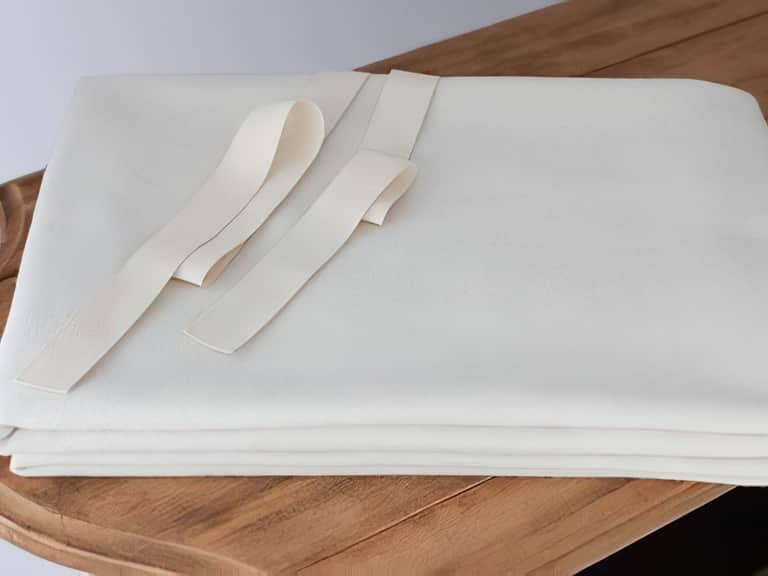
Alternate: Savvy Rest Wool Mattress Pad
Organic wool pad for moisture resistance and temperature regulation; fits up to 14" mattresses with removable cotton straps.
If you’re exploring organic surfaces, you may also consider complementary toppers and pads that offset seasonal shifts or personal comfort preferences. A wool pad or a latex layer can be substituted or layered to create a bespoke experience—without sacrificing the core organic ethic.
A Note on Storage, Care, and Ethical Consumption
Organic material life extends beyond the mattress itself. The care routines—gentle washing, spot-cleaning, and appropriate fabric care—preserve the integrity of organic textiles and maintain the bed’s comfort over time. Ethical consumption is not a one-off purchase but a practice: asking questions, considering the supply chain, and prioritizing products designed for repair, part replacement, and eventual recycling.
The conversation around organic mattresses, then, becomes a small mirror for broader environmental ethics. It asks us to imagine longevity, to resist the impulse toward disposable comfort, and to participate in a market that values transparency, durability, and human health.
Conclusion: The Quiet Science of Better Sleep
The domain of organic mattresses—what we choose to rest upon and why—reflects a nuanced balance of science, ethics, and personal comfort. It invites us to recall that sleep is, in many ways, a daily act of care. The materials we select, the care we give, and the environments we curate around the bed all contribute to a cycle of restoration that lets us greet the morning with a steadier heart and a clearer mind.
In the end, an organic mattress is not a single decision but a pledge: to seek out surfaces that honor both body and planet, to read the labels with discernment, and to attend to the room around the bed as a partner in rest. The path to better sleep—a path that starts with understanding materials and durability—unfolds in the soft light of our bedrooms, where quiet is the sound of a night well spent.
Savvy Rest Tranquility Latex Mattress
A 7\" thick customizable organic latex mattress built with organic wool and cotton. Ideal for those seeking a firmer, yet responsive surface with eco-conscious materials.
Affordable, customizable 7" latex mattress made in America with organic wool and cotton; ideal for kids or small adults, breathable, with a 20-year warranty and easy setup. Upgrade comfort with layer choices and adjustable bases. Limited weight limit.
Experience cozy, moisture-safe comfort with our natural wool pad—soft as a blanket, temperature-regulating, and dust-mmite resistant. Removable cotton straps ensure a snug fit on any mattress up to 14", made in the USA.
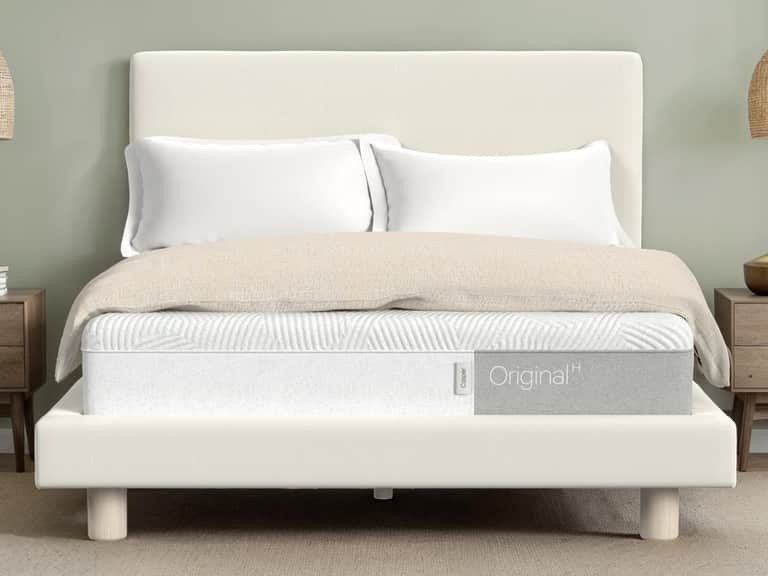
Sleep cooler and closer to dreamland with breathable Casper Signature Foam, while Zoned Support aligns your spine in three targeted zones for lasting comfort—hybrid springs and foam adapt to your movement for a smooth, restorative night.