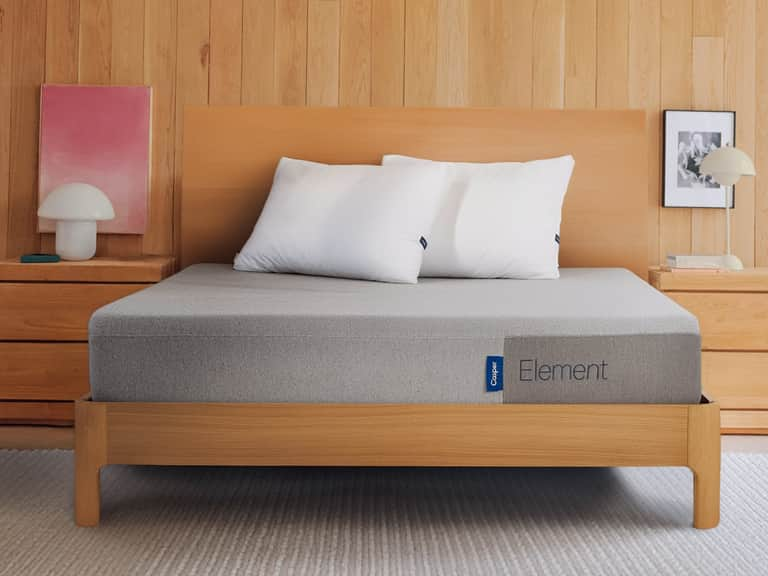
Foam mattresses are designed to contour to the body, providing support and pressure relief across the sleeping surface. They often use memory foam or polyurethane formulations to respond to body heat and movement, helping to distribute weight evenly. When evaluating foam mattresses, consider density, layering, and ventilation to balance comfort with durability and temperature regulation.
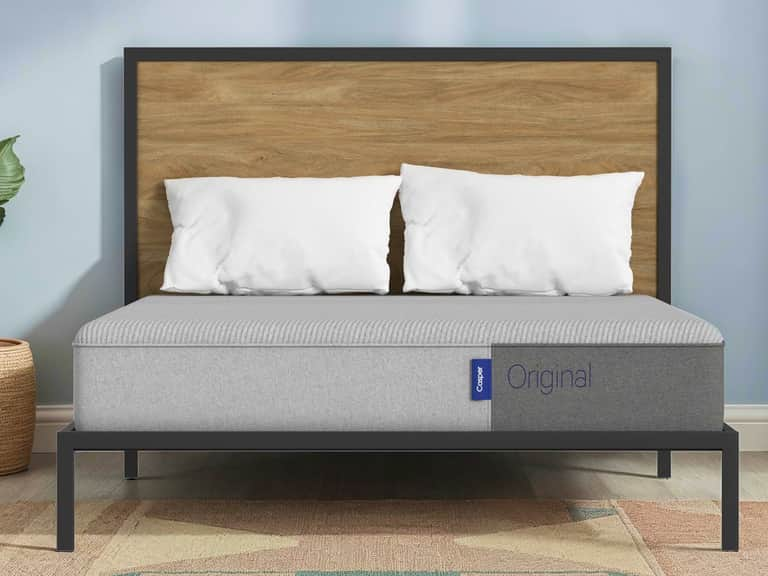
The Original Mattress in this category typically features a multi-layer foam construction that prioritizes targeted spinal alignment and motion isolation. With a medium to medium-firm feel, it supports varying sleep positions while reducing partner disturbance. Ventilated foam layers promote airflow, contributing to a cooler, more breathable sleep surface over time.
The Element Mattress emphasizes a blend of contouring and resilience through engineered foam foams and transitional layers. This design aims to minimize pressure points at hips and shoulders while maintaining sufficient bounce for ease of movement. Its foam architecture supports durable performance and consistent comfort through nightly use.
Key features to assess include density, open-cell or gel-infused foams for heat management, and edge support. Foam mattresses benefit from proper foundation compatibility, ensuring consistent support and longevity. Understanding how each layer interacts—comfort foams, transition foams, and base support—helps users anticipate feel, durability, and sleep quality.
For bedding compatibility, these foam models align with other essentials such as memory foam pillows, organic mattresses, and breathable sheets. Meta keywords like bedding, memory foam pillows, sheets, and organic mattresses reflect related considerations in choosing an appropriate sleep environment. A well-chosen foam mattress can complement overall sleep health and comfort strategy.
 Mattresses